Rose Iris Embroidery Design
A Seasonal Designer’s First Impression: Elegant, Timeless, and Quietly Festive
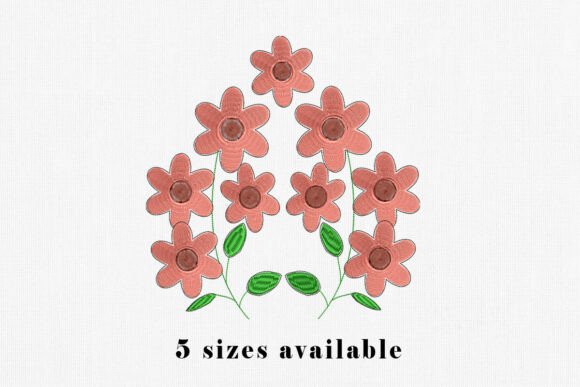
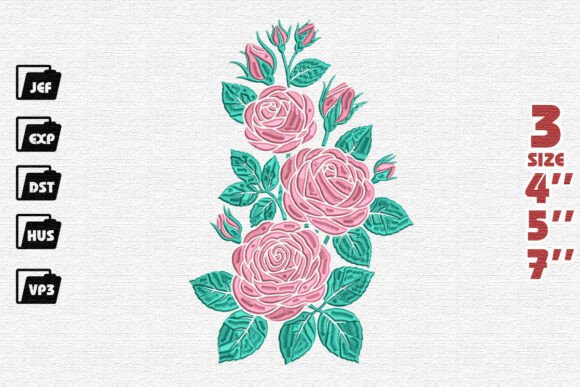
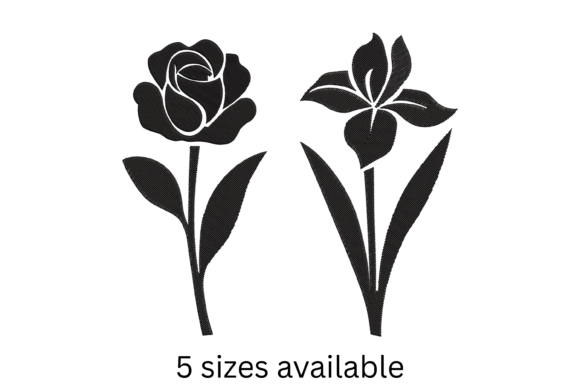
As an embroidery designer who builds holiday collections around emotional resonance—not just visual appeal—the Rose Iris Embroidery Design landed with a soft, confident presence. It doesn’t shout “Christmas!” or “Easter!”—and that’s its strength. This Single Flowers machine embroidery design carries a romantic, slightly nostalgic elegance: think spring garden mornings, Mother’s Day brunch linens, or quiet winter solstice gifting. The petal structure balances delicacy with clarity—no fragile wisps that vanish on dense fabric, no over-engineered layers that gum up stitch density. It feels premium without being stiff, graceful without sacrificing stitchability. For seasonal embroidery, that balance is rare—and commercially invaluable.
Where It Shines in Real Holiday Product Strategy
This digital embroidery file thrives where emotion meets utility. On sweatshirt embroidery, it reads beautifully at 3.5–4 inches across the chest—soft enough for teen girls’ loungewear, refined enough for adult matching sets. As tote bag design, it anchors artisanal gift bundles: pair it with dried lavender sachets or hand-poured candles, and the floral motif signals care, not clutter. For kitchen towel embroidery, it adds heirloom warmth without competing with bold holiday prints—ideal for Thanksgiving hostess gifts or New Year’s kitchen refreshes.
It elevates pillow cover collections year-round, but especially during slower holiday windows (January–February) when shoppers seek cozy, non-festive-but-still-special home decor. As an embroidered patch, it transfers effortlessly to denim jackets, baby blankets, or aprons—making it perfect for craft fair displays where tactile detail wins attention. And for personalized gift offerings? Add a monogram beside the bloom in subtle satin stitch, and you’ve got Etsy listings that convert: gentle, meaningful, and ready for gift-ready packaging.
Smart Placement & Practical Boundaries
Not every surface welcomes this design equally. Avoid using the Rose Iris Embroidery Design on items requiring extreme miniaturization—like 2-inch hoop projects or curved cap fronts—where petal definition blurs. Its graceful lines rely on clean stitch paths; on thick terry cloth towels or heavy canvas, under-stabilizing will mute dimension. Likewise, metallic thread can overwhelm its subtlety—reserve those for bolder motifs. On dark fabric, test thread colors carefully: ivory or heather gray often reads richer than stark white, while soft sage or dusty rose adds seasonal depth without clashing.
Also note: stretchy knits (like lightweight lounge sets) demand precise stabilizer pairing—cutaway + light tear-away works best. And if your shop offers machine-washable finished products, confirm the stitch density holds up through repeated cycles—especially near petal edges where loose threads could snag.
Why It Builds Trust—and Sales—During Peak Seasons
Holiday shoppers don’t just buy products—they buy reassurance. The Rose Iris Embroidery Design delivers that quietly. Its timeless floral language avoids trend fatigue, so your small shop product stays relevant beyond December. Customers recognize craftsmanship in its balanced fill stitches and smooth satin outlines—no jagged transitions or floating stems. That visual consistency builds brand trust fast, especially when paired with cohesive color palettes across your collection (think oatmeal linen, charcoal denim, cream cotton twill).
On social media previews, it photographs cleanly—even in flat-lay mockups—because it doesn’t compete with background texture. As a printable mockup element, it scales elegantly across Instagram carousels, Pinterest pins, and Etsy banners. And because it’s rooted in botanical realism—not cartoonish abstraction—it lends instant credibility to handmade gift positioning. No explanation needed. Just beauty, executed well.
Designer Notes You Can’t Skip Before Launching
- Always test thread colors on both light and dark fabric swatches—especially for holiday bundles where fabric variety increases.
- Review stitch density before scaling: if enlarging beyond 4.5 inches, check for thread buildup in layered petals.
- Confirm hoop size compatibility early—this design likely fits standard 4x4 or 5x7 hoops, but verify before prepping production files.
- Match stabilizer to end-use: cutaway for apparel, tear-away for towels, and fusible + tear-away for lightweight linens like table runners.
- Create realistic mockups—not just digital renders. Stitch a real sample on your most common fabric, then photograph it in natural light alongside gift tags or wrapping paper.
- Zoom in post-stitch: ensure petal tips are crisp and no stray stitches float near edges—those details impact perceived quality instantly.
- Plan your seasonal palette in advance: soft mauves, sage greens, warm ivories, and charcoal grays extend the Rose Iris Embroidery Design across spring, fall, and winter without reworking the file.
- Verify commercial embroidery rights before selling finished products—this embroidery file is intended for commercial use, but always double-check licensing terms in your download.
Final Thought: A Quiet Anchor in a Busy Season
In a market flooded with glitter, slogans, and loud motifs, the Rose Iris Embroidery Design is your quiet anchor. It doesn’t chase attention—it earns it. For Etsy sellers, craft fair vendors, and small-batch apparel decorators, it’s the kind of holiday embroidery that turns functional items into keepsakes. It supports storytelling—of gardens, generations, quiet joy—without needing words. Use it intentionally, stabilize thoughtfully, and let its enduring floral grace do the rest. Because sometimes, the most powerful seasonal embroidery isn’t the flashiest—it’s the one customers choose to keep.