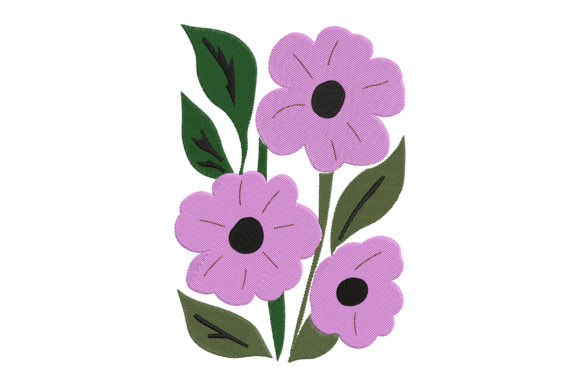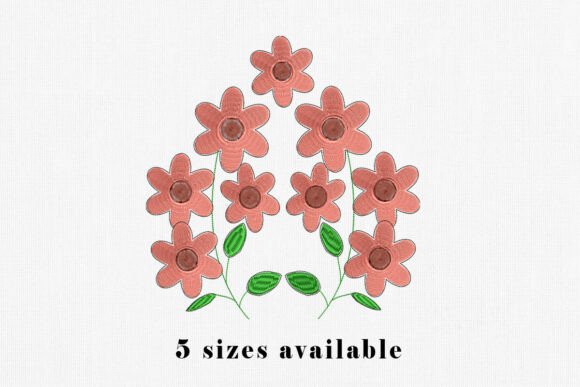
Cute Floral Embroidery Design
First Impression: Whimsical, Approachable, and Instantly Recognizable
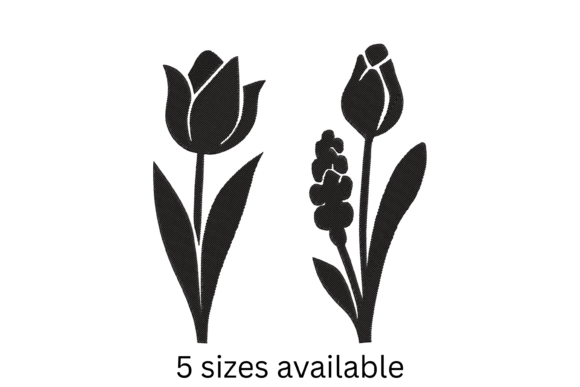
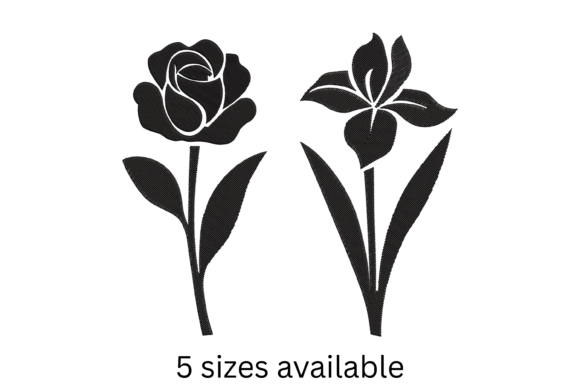
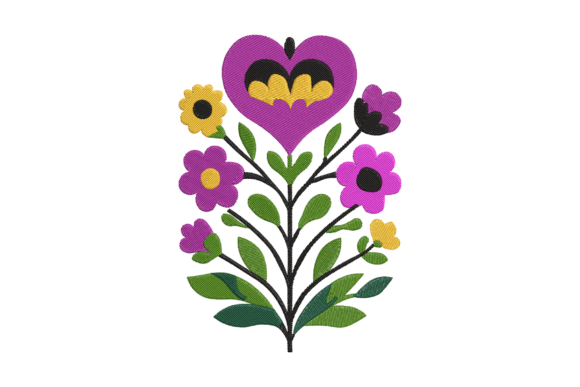
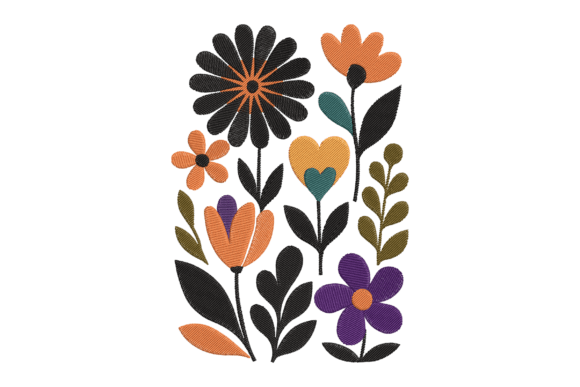
As an embroidery designer who’s curated over 200 craft fair booths—from Portland maker markets to Nashville holiday bazaars—I can tell you Cute Floral Embroidery Design lands exactly where it should: soft, joyful, and effortlessly charming. It’s not fussy or overly botanical; it’s playful without being childish, floral without feeling dated. That “whimsical crafts” note in the description isn’t marketing fluff—it’s accurate. This design reads as friendly at three feet, inviting at arm’s length, and delightful up close. For handmade sellers, that trifecta is gold. It avoids farmhouse clichés, skips minimalism fatigue, and sidesteps the “too precious to use” trap. It feels like a small smile stitched into fabric—ideal for customers seeking handmade warmth, not perfection.
Where It Shines: Craft Fair-Ready Product Pairings
Tote bags: A standout. The scale and flow of Cute Floral Embroidery Design balances beautifully on the front panel of a natural canvas or oat linen tote—large enough to read from across the aisle, but not so dense it overwhelms the bag’s utility. It adds personality without sacrificing function.
Aprons and tea towels: Excellent for kitchen-focused booths. On a lightweight cotton apron, it reads as cheerful and professional—not too sweet, not too serious. On a flour-sack tea towel? It pops with gentle contrast, especially when paired with coordinating thread colors (think buttery yellow, sage green, and dusty rose). Customers consistently pause longer at aprons and towels with this kind of balanced whimsy.
Patches and pouches: This design scales down gracefully. As an embroidered patch (3–4 inches), it holds clarity and charm—perfect for attaching to denim jackets, backpacks, or kids’ lunchboxes. On small fabric pouches (6"x8"), it becomes a focal point that feels intentional, not cramped.
Pillow covers and wall art: Works well as a medium-scale motif—neither minimalist nor maximalist. It reads clearly from a seated position (key for home decor shoppers), and its organic shape softens angular furniture lines. Avoid overscaling it beyond 7 inches unless stitch density is confirmed low—dense fill areas can stiffen fabric undesirably.
Caps and curved surfaces: Use caution. The playful curves and layered petals may distort on structured caps unless digitized with proper underlay and stretch compensation. Test on scrap first—and always verify hoop size compatibility before stitching on finished goods.
What Makes It Sell—And What Requires Care
This machine embroidery design earns attention because it’s immediately legible. No decoding needed. No abstract shapes or ambiguous motifs. At a craft fair, where shoppers glance for under two seconds, that clarity converts. It also photographs exceptionally well for Etsy listings and social previews—soft shadows, clean edges, and balanced negative space make printable mockups pop without heavy editing.
That said, Cute Floral Embroidery Design has practical limits. Tiny interior details (like fine stamen lines or petal veining) may vanish on textured towels or dark fabric unless thread contrast is high and stabilizer support is robust. Dense fill areas—especially in central flower clusters—can cause puckering on lightweight knits or loosely woven linens. Always test on your *exact* production fabric, not just muslin. And if you’re planning batch production for a market weekend, confirm the stitch density aligns with your machine’s speed and tension consistency—overly dense files increase thread breaks and rehooping time.
Booth Impact & Brand Alignment
In a sea of rustic lettering and monochrome geometrics, Cute Floral Embroidery Design stands out with quiet confidence. It strengthens booth cohesion when used across multiple product types—say, matching aprons, totes, and tea towels—all sharing the same motif, color palette, and hand-stitched feel. That repetition builds brand recognition without monotony. Buyers notice the care: consistent spacing, thoughtful thread choices, and confident scaling signal professionalism, even in a “cute” aesthetic. It elevates the perceived value of your handmade product, subtly communicating that whimsy and craftsmanship aren’t mutually exclusive.
Designer Notes You Can’t Skip
- Test on scrap fabric—especially if using textured towels, thick denim, or curved caps.
- Check thread contrast on both light and dark fabrics. Pastel threads often disappear on ecru linen; deepen tones slightly for visibility.
- Review spacing and isolation: Does the design breathe? Tight clusters between stems or petals may require manual adjustment for cleaner results.
- Confirm hoop size before cutting production fabric—don’t assume standard 5x7 fits every variation.
- Inspect stitch density in petal centers and leaf fills. High density = higher risk of fabric distortion or thread shredding.
- Use the right stabilizer: Tear-away for stable wovens, cut-away for knits or stretchy blends, and water-soluble for delicate surfaces like silk or lace overlays.
- Create at least one real mockup—not just a digital preview. See how light hits the stitches, how the fabric drapes, how the design feels in hand.
- Compare fabric colors side-by-side: dye lots vary, and what looks warm on screen may read cool in person.
- Confirm commercial licensing before selling finished products. If Cute Floral Embroidery Design is a digital embroidery file, ensure your license permits resale of physical items—this is non-negotiable for Etsy sellers and boutique makers.
Final Thought for Creative Entrepreneurs
Cute Floral Embroidery Design isn’t just another single flowers motif—it’s a versatile, emotionally resonant asset for your small shop product lineup. It supports storytelling (think “hand-stitched joy,” “whimsy you can hold”), simplifies visual merchandising, and invites repeat engagement—both in-person at your booth and online through cohesive printable mockups and scroll-stopping Etsy seller listings. Used thoughtfully—with attention to fabric, stabilizer, and scale—it delivers on the promise of handmade quality while quietly amplifying your brand’s voice. Just remember: whimsy sells best when it’s grounded in intention. Stitch smart, test early, and let the flowers speak for themselves.