Modern Folk Floral Embroidery
A Craft Fair Designer’s Real-World Review Before Booth Day
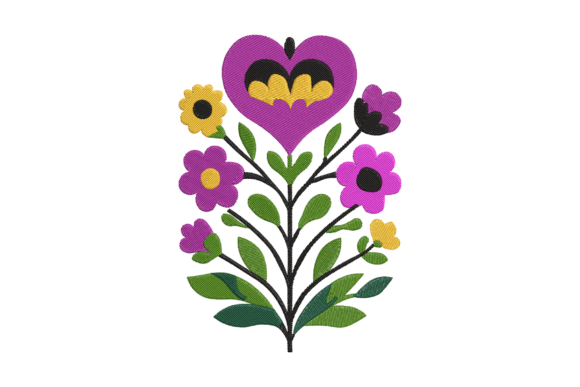
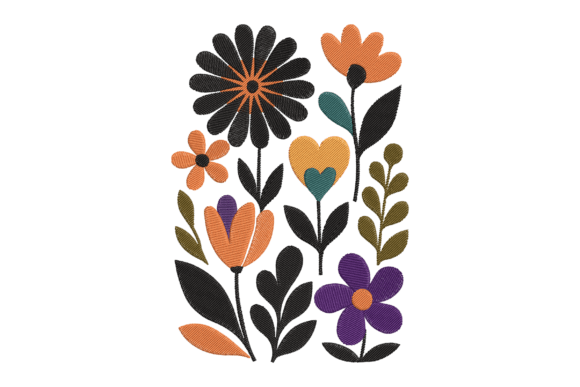
As someone who’s stitched, sold, and styled over 200 craft fair booths—and shipped thousands of handmade products to Etsy buyers—I opened Modern Folk Floral Embroidery with one question: “Will this stop someone mid-aisle?” The answer? Yes—if it’s placed right. This isn’t a loud, graphic floral. It’s soft but intentional. Elegant but grounded. Think “modern folk” as in clean lines with hand-drawn warmth—not twee, not stiff, not overly rustic. It leans into quiet confidence: a single bloom with subtle vine movement, balanced negative space, and organic flow. That makes it instantly recognizable as Single Flowers, yet distinct from generic daisies or roses flooding the market.
Where It Shines on Craft Fair Products
Tote bag design: Perfect as a centered chest accent (not too big, not too small). On natural canvas or oat linen, Modern Folk Floral Embroidery reads as elevated utility—customers associate it with thoughtful gifting, not mass production.
Apron embroidery: Ideal above the pocket or along the waistband. Its scale works without overwhelming the garment, and the folk-inspired line quality complements handmade kitchen tools and ceramic mugs on your booth shelf.
Tea towel embroidery: A standout. Because it’s a single flower, it doesn’t compete with bold prints or absorbent terry textures. Stitched near the corner or folded hem, it adds heirloom charm—exactly what shoppers reach for when buying handmade home goods.
Embroidered patch: Highly adaptable. Trimmed and backed, it becomes a boutique-ready accessory—sew-on or iron-on options let you diversify offerings without re-hooping. Great for bundling with pins or stitch kits.
Pillow covers & small pouches: This is where Modern Folk Floral Embroidery earns its premium price point. On velvet, linen-cotton blends, or even structured canvas, it signals craftsmanship—not decoration. Customers pay more for that perceived handmade quality.
Caps & curved surfaces: Proceed with caution. While the design avoids extreme curves or tight spirals, the central bloom has gentle petal layers that may compress on low-profile caps. Test on scrap first—and consider simplifying outer elements if stitching on baseball-style fronts.
What Makes It Sell—Beyond the Stitch
This machine embroidery design succeeds because it’s photogenic. Clean lines, balanced density, and intentional spacing mean it translates beautifully in printable mockups—critical for Etsy sellers optimizing listings. It also holds up in natural light at craft fairs: no muddy fills, no thread pooling, no “what *is* that?” confusion. Buyers understand it instantly: floral, modern, handmade, giftable.
It supports brand consistency across your line. Pair it with neutral threads (oat, slate, sage) and it feels cohesive next to your minimalist tea towels and your embroidered aprons—even if they’re made weeks apart. That repeatability matters for batch production: you can hoop, stitch, and finish 12 tote bags in an afternoon without redesigning placement each time.
Practical Red Flags Every Embroidery Designer Should Check
- Dense stitch areas: The flower center uses layered satin stitches—not excessive, but dense enough that it may pucker on lightweight cotton unless stabilized properly. Use medium-weight cutaway stabilizer for apparel; tear-away works for stable home decor fabrics.
- Fabric texture matters: Avoid heavy terry or thick waffle-weave tea towels unless you increase needle size and reduce speed. The design’s elegance gets lost in fuzz.
- Dark fabric contrast: The description says “add a touch of elegance”—so assume light-to-mid thread tones. If stitching on charcoal or navy, verify thread colors in your kit. A pale ivory thread may disappear; swap to heather gray or warm taupe for clarity.
- Small-scale clarity: At under 3 inches wide, fine petal edges soften. Don’t shrink it below 2.5" for patches or pouches—it’s a single flower, not a micro-motif. Let it breathe.
- Hoop size & spacing: Review the actual digital embroidery file dimensions before cutting fabric. Even elegant designs fail if they don’t fit your standard 4x4 or 5x7 hoop without awkward re-hooping.
Designer Notes You’ll Thank Yourself For Later
Before cutting your first yard of fabric: test the design on scrap—same fabric, same stabilizer, same thread. Watch how the petals lay. Does the stem flow? Does the negative space feel intentional or empty?
Check thread contrast in daylight *and* booth lighting. What looks rich under your sewing lamp may read flat under fluorescent craft hall lights.
Review spacing between elements—especially if combining with text or secondary motifs. This design stands alone best; overcrowding dilutes its folk-modern voice.
Create at least one real mockup—not just digital. Drape that embroidered tote over your arm. Hold the tea towel folded beside your ceramic mug. See how it lives in context. That’s how customers experience it.
Compare fabric colors side-by-side. Linen bleeds differently than quilting cotton. A cream thread on oat linen reads warmer than on white poplin. Small shifts change perceived value.
And critically: confirm commercial licensing before selling finished products. As an Etsy seller or small shop owner, you need clear rights to use this digital embroidery file in physical goods. Don’t assume—check the license terms before printing tags or packing orders.
Final Verdict for Handmade Sellers
Modern Folk Floral Embroidery isn’t flashy—but that’s its strength. In a sea of glittery fonts and maximalist florals at weekend markets, it’s the quiet piece people pick up, turn over, and say, “This feels special.” It elevates craft fair products without shouting. It supports commercial embroidery workflows without sacrificing artistry. And for handmade product creators—from boutique makers to Cricut crafters building their first Etsy shop—it’s a reliable, repeatable, revenue-ready embroidery file.
Just remember: elegance isn’t automatic. It’s earned through smart placement, thoughtful thread choices, and respect for fabric, stabilizer, and scale. Stitch it right, and Modern Folk Floral Embroidery won’t just sell—it’ll become part of your signature style.