American Goldfinch Bird Embroidery
First Impressions: A Cheerful, Confident Statement in Thread
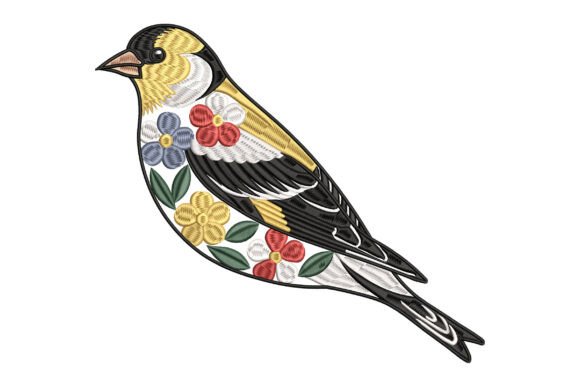
As an embroidery designer who’s tested hundreds of wildlife motifs for personalized gift shops and Etsy sellers, the American Goldfinch Bird Embroidery immediately stands out—not just for its accuracy, but for its joyful energy. It’s bold without being aggressive, detailed without feeling fussy, and undeniably handmade in spirit. This isn’t a flat silhouette or minimalist icon; it’s a living, breathing bird caught mid-perch, with expressive eyes, layered wing feathers, and that signature vibrant yellow chest rendered in thoughtful thread direction and color transitions. The mood is uplifting—sunny, optimistic, quietly elegant. It leans modern-classic: timeless enough for a nursery heirloom, fresh enough for a boutique tote bag. For customers seeking meaning over mass production, this design delivers emotional resonance right out of the hoop.
Where It Shines: Personalized Gifts That Tell a Story
The American Goldfinch Bird Embroidery excels where intention meets intimacy. In baby embroidery, it’s a gentle nod to new life—goldfinches symbolize joy, resilience, and positivity—making it ideal for organic cotton blankets, muslin swaddles, or linen crib bumpers. For wedding gifts, it adds quiet sophistication to monogrammed pillow covers, hand-stitched guest book sleeves, or embroidered kitchen towels gifted to newlyweds who love nature. As a family keepsake, it elevates framed hoop art or stitched memory boxes—especially when paired with a handwritten note about why goldfinches matter to that particular family.
Small shop owners will appreciate how well it photographs. On a natural linen towel or oatmeal-colored pillow cover, the contrast pops beautifully—even in soft lighting. Etsy sellers report stronger buyer engagement when this design appears in lifestyle mockups: think a sunlit kitchen counter with an embroidered apron and matching tea towel, or a cozy nursery shelf with a goldfinch-adorned blanket folded beside a wooden toy. It also performs exceptionally well on structured items like tote bags and aprons, where its compact scale (just under 4″) ensures clarity without overwhelming the fabric.
Smart Placement Matters: Know When—and Where—to Stitch
While versatile, the American Goldfinch Bird Embroidery isn’t universally forgiving. Its detail level means it demands thoughtful execution. Avoid using it on highly textured fabrics like terry cloth bath towels—fine feather definition can blur or disappear. Similarly, steer clear of stretchy baby onesies or curved surfaces like mugs or curved pillow fronts unless you’ve tested stabilization thoroughly. On dark fabric, verify thread color contrast in your digital embroidery file preview; some yellow tones may mute without careful selection. And because stitch density sits at 20,195 stitches across a tight area, avoid pairing it with ultra-thin stabilizer on lightweight cotton—it needs support to hold shape through washing.
Also, don’t rely on small lettering or fine branch details as focal points in final product photos. While charming in vector form, those elements can soften during stitching—especially after laundering. Instead, lean into its strongest features: the bird’s posture, eye detail, and overall silhouette. That’s what customers remember and connect with.
Why This Design Builds Trust—and Sales
For handmade sellers, perceived quality starts long before the first stitch. Customers browsing your Etsy shop or local craft fair booth scan for cues: Is this truly custom? Does it feel special? The American Goldfinch Bird Embroidery signals both. Its complexity suggests craftsmanship—not cookie-cutter digitizing—and its subject matter invites conversation. Buyers often ask, “Is that a real bird?” or “What does it mean?” That’s your opening to share story, care, and intention—key drivers of trust and repeat business.
It also lifts perceived value effortlessly. A plain white pillow cover becomes a curated home accent. A generic baby blanket transforms into a meaningful milestone piece. That emotional connection translates directly to pricing confidence and reduced discounting pressure—especially important for small shop products competing against big-box alternatives.
Practical Embroidery Notes You Can’t Skip
Before committing to customer orders, run these checks:
- Test on scrap fabric—same type and weight as your final product, especially if using linen, terry, or knits.
- Confirm hoop size compatibility. At ~4″, it fits standard 5″ hoops comfortably—but double-check your machine’s maximum embroidery area.
- Review stitch density in your embroidery software. High density (like this 20,195-stitch count) requires proper stabilizer—cutaway works best for towels and blankets; tear-away suffices for stable wovens like cotton canvas.
- Compare thread colors on light vs. dark fabric using a printable mockup. Yellow thread on navy may need a brighter tone than what’s suggested in the default palette.
- Inspect small details post-stitch. The beak tip and eye highlight should remain crisp—if they’re fuzzy, adjust tension or try a finer needle (75/11).
- Verify commercial licensing. If selling finished products (e.g., embroidered tote bags), ensure your purchase includes rights for commercial embroidery use. Not all digital embroidery files do.
Final Thought: More Than a Bird—A Meaningful Anchor
The American Goldfinch Bird Embroidery isn’t just another motif in your library. It’s a bridge between craft and connection—a way to turn everyday items into heirlooms, gifts into memories, and small shop products into stories people want to keep. Whether you’re stitching baby embroidery for a first-time parent, curating wedding gifts for nature-loving couples, or building an Etsy brand around intentional design, this bird brings warmth, authenticity, and quiet distinction. Just remember: let its charm guide your choices—not just where you place it, but why. Because in personalized gifting, the most beautiful stitch is the one that means something.